
Google and Apple have announced that “the next generation of Apple Foundation Models will be based on Google’s Gemini models and cloud technology.” Future Apple Intelligence features, including an AI-enhanced version of Siri, are slated to arrive on iOS this year. It’s a move that wasn’t unexpected, but now it’s official.
It also makes perfect sense for both companies. As usual, that means financially, but also allows both sides to provide something they really want without Herculean effort.
This is what Google wants
When you think of Google, you probably picture things like Search and email, as well as powering about a zillion phones around the world.
That’s true, but when you break everything down, Google is a software services company. Yes, they sell phones and other products like watches and smart speakers, but these are avenues to deliver what the company does best: software services. The more people who use these services, the more money Google stands to make because of the ways the company monetizes us through what we see.
A great way to put even more Google software services in front of even more eyes is to work through built-in native iOS features. Every Android phone is chock full of Google software, and the company wants every iPhone and iPad to be the same way.
We’ve seen this all along. Google famously cut a deal to make its Search the default in Safari until the government stepped in and said that was market abuse. The company wants every smart device, no matter who makes it, to use Google software and services.
I don’t expect the all-new Siri to scream “powered by Google” in our faces, but Google will still benefit, especially behind the scenes through user data, whenever someone asks Siri anything.
Why is this what Apple wants?

This side of the equation is a little more interesting. While I’m not privy to any of the details that went on during negotiations between Apple and Google, I’m certain this is exactly what Apple wants. Ask yourself a few simple questions, and you’ll probably agree.
Why Google? We all think of Apple and Google as rivals, and that’s true in many ways. Both companies want your money and your attention, and every year they each try to one-up each other to get them.
There are also other companies Apple could have picked to power a “smarter” Siri. Apple currently uses OpenAI to deliver some of its device intelligence features. But Google has a few advantages in this space that make it the best choice for Apple: familiarity and scalability.
Google knows how to incorporate AI into existing smartphone features and software; it’s been doing it for the past five years or so, and only made a big fuss about it when AI became the new buzzword. Gemini is a stand-alone product, but it also powers — directly or indirectly — plenty of other Google and Android services. Google and Apple can fine-tune the way Gemini fits into AI on iOS in ways no other company can.
This will take a dedicated team, of course. Google has the means (the company is worth nearly $4 trillion) to build out a dream team of developers to work with Google, so Apple Intelligence and Siri are the same familiar features iOS users love, only much better.
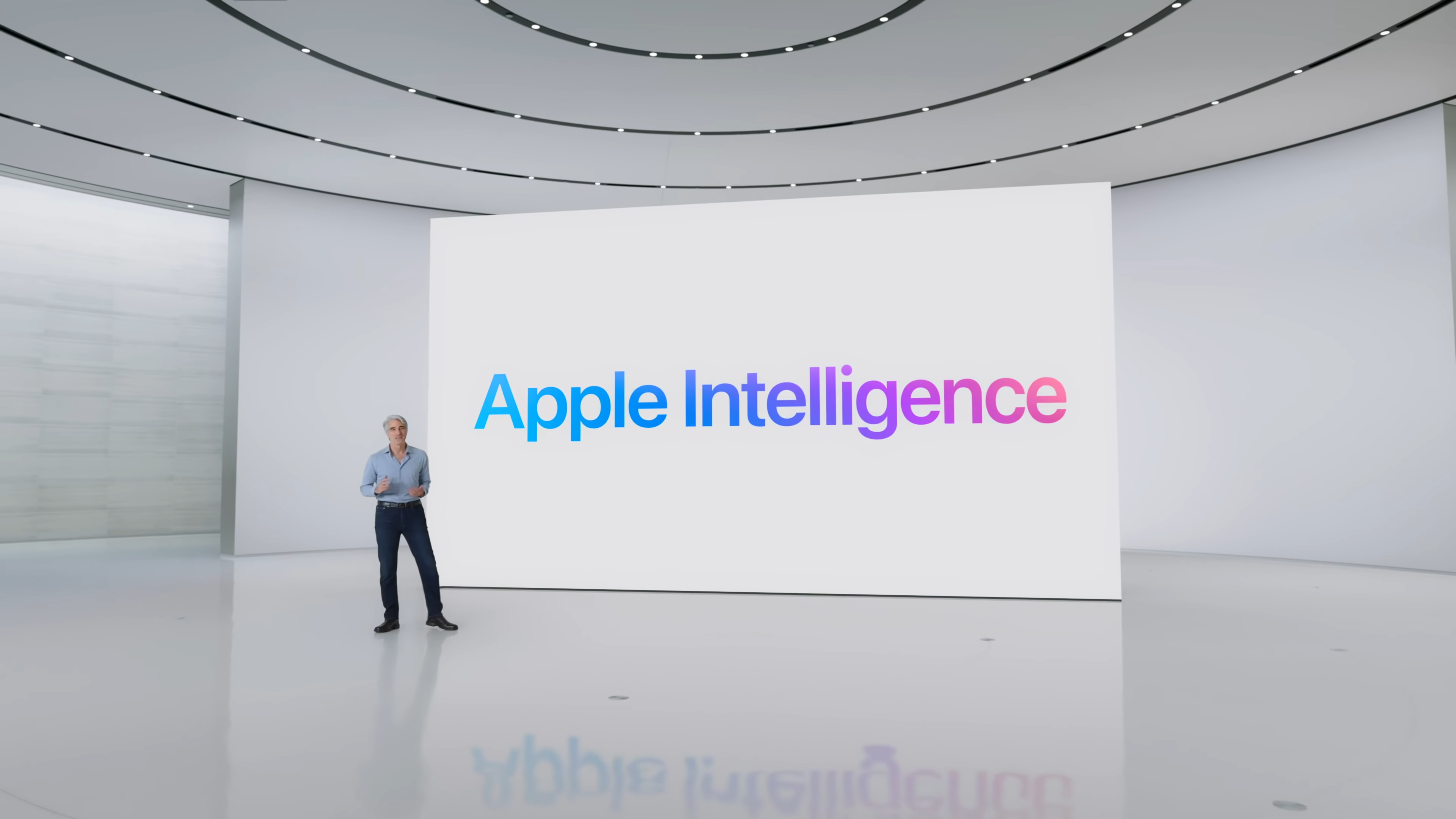
An even more interesting thought is that Apple can’t do this itself and probably doesn’t even want to. Building out the technology to power a complete AI foundation is something Apple is capable of doing, so why didn’t the company just do it? Time and money.
Let’s say Apple started working on building its own models and software to build out a full-stack suite of AI abilities two years ago. That means the company would still be a decade behind companies that were banking on AI tech and had pioneered it. Companies like NVIDIA and IBM. And Google.
Apple’s first and biggest priority is to build great devices that people love to buy. You may not want an iPhone or a MacBook, but plenty of people do because they are damn good products; in some ways, they are the best products out there. This is something the company will never appear to compromise on; every initiative to increase profit margins on Apple devices is tied to the idea that they are still better than ever.
That means Apple can’t just sit back and allow Siri, and even Apple Intelligence as a whole, to… well, suck (for lack of a better word). Consumers are seeing more and better, and demand more and better from their iPhones. Apple wants to give it to them so people love their next iPhone as much as they loved their last iPhone.
This all means Apple either has to buy the tech to enable its AI features to be as good or better than everyone else’s, or work with a company that’s already very good at it and is thirsty for a partnership. That company, you guessed it, is Google. Apple saves money by using Google and can still bring the features consumers want in 2026 to the table.
iOS will still be iOS
The next generation of iOS isn’t going to turn into another Android version, no matter how much Google Gemini is inside of it. The company will still maintain strict control over everything that consumers see and do.
The difference is that by working with Google instead of a competitor or even trying to do it all itself, the newest tech when it comes to AI will be available for everyone buying an iPhone.
Both sides are winners here.